GCWW Marks Major Milestones in Lead Replacement
Aug 26, 2026
FOR IMMEDIATE RELEASE
August 26, 2026
Sheryl M.M. Long, City Manager
Media Contact: Kevin Osborne, kevin.osborne@gcww.cincinnati-oh.gov, (513) 516-1966
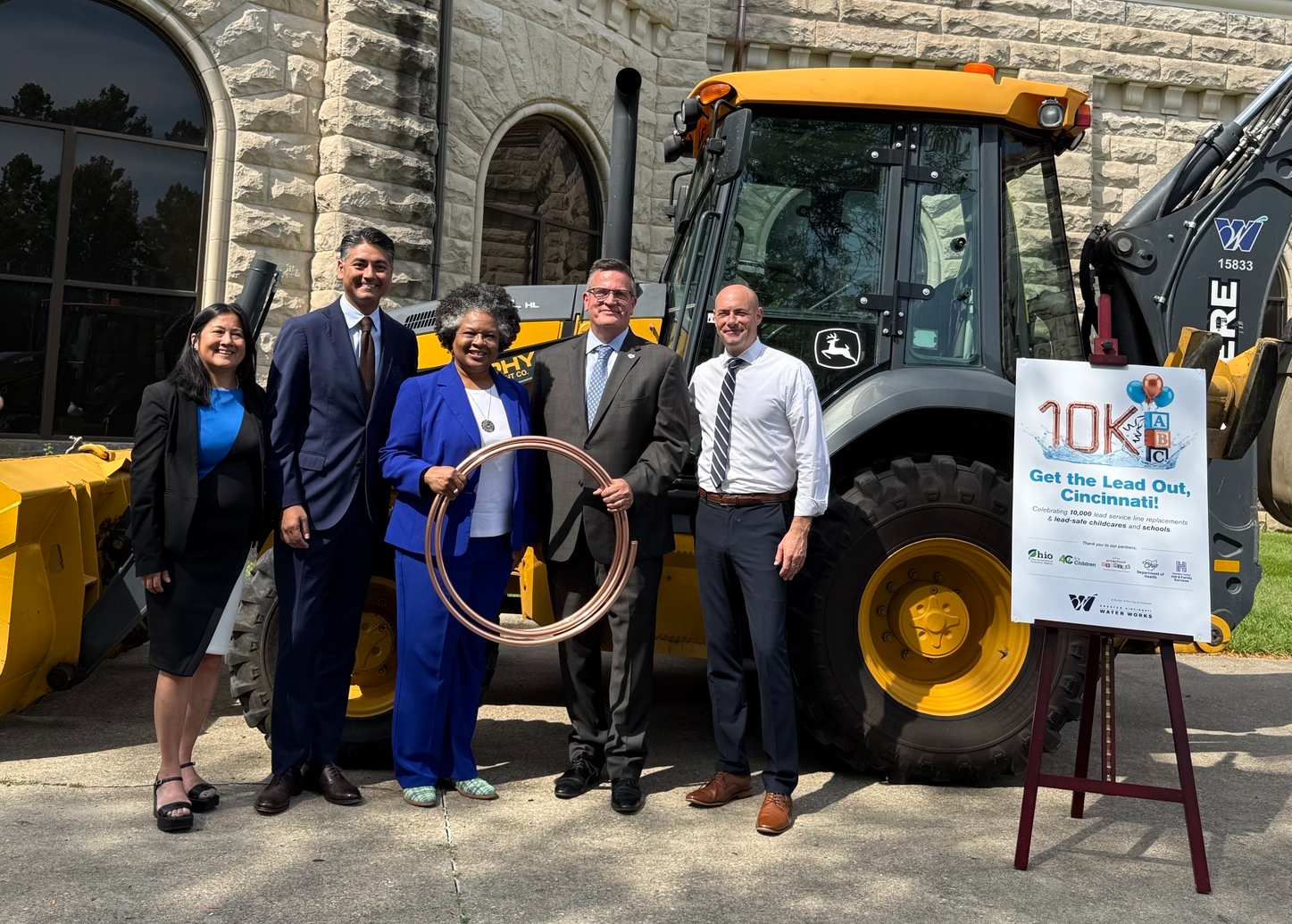
CINCINNATI, OH — Greater Cincinnati Water Works (GCWW) is celebrating two major milestones in its award-winning Lead Service Line Replacement Program. The utility has now replaced more than 10,000 lead lines since the first replacement occurred in February 2018. Also, GCWW has completed work related to a $500,000 grant from the Ohio Environmental Protection Agency (EPA). It paid for replacement of more than 100 lead lines at licensed childcare facilities.
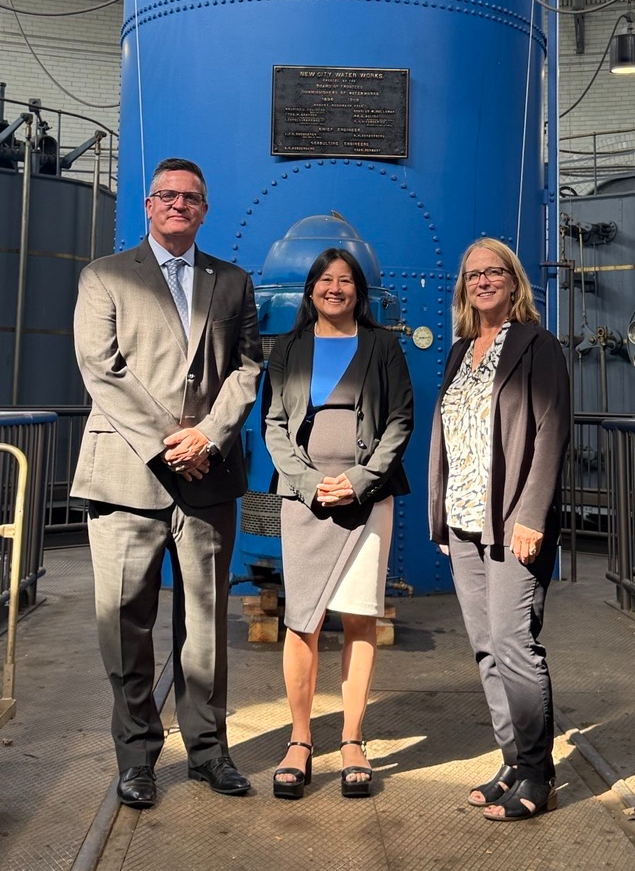
Several officials gathered today at GCWW’s Old River Station along the Ohio River to mark the event. They were Cincinnati Mayor Aftab Pureval; Interim Assistant City Manager Cathy B. Bailey; GCWW Executive Director Andrea Yang; Congressman Greg Landsman; and Ohio EPA Director John Logue.
“I am proud of our city's Lead Service Line Replacement Program,” said Mayor Pureval. “It reflects Cincinnati’s ongoing commitment to public health. Every dollar invested in this program is a direct investment in our children, our families, and the future strength of our neighborhoods.”
Ms. Bailey, who created the program when she was GCWW’s executive director, noted that Cincinnati was among the first cities in the nation to adopt such an initiative. “We made a significant decision for our community, ahead of mandates from the state or federal governments,” she said. “Now, every community must replace its lead lines by 2037. Thanks to the foresight of our elected leaders, Cincinnati has a big head start on that goal.”
Exposure to lead can damage the brain, nervous system, kidneys, and heart. In children under age six, lead can cause lower IQ and behavioral issues.
“Our progress so far means there are 10,000 more homes, businesses and childcare facilities that don’t have to worry about the dangers connected to lead exposure,” said Director Yang. “But there’s still more work to do.”
Congressman Landsman helped GCWW secure $910,000 in Community Project Funding last year, which helped replace hundreds of residential lead service lines in disadvantaged neighborhoods. “Protecting child health is crucial. Our children do not get a second chance at growing up. Every single day a lead pipe remains in the ground is a day we are risking a child’s future,’ he said.
Director Logue added, “The water here in Cincinnati is safe. Replacing these lead service lines, though, helps to ensure it stays that way. This critical work aligns with what H2Ohio, Governor DeWine, and the Ohio EPA are doing statewide to improve the lives of children and their families while supporting healthy, thriving communities.”
About 30,000 lead service lines remain in GCWW’s service area. It is important to note that the presence of a lead line does not pose an immediate threat to customers.
GCWW produces millions of gallons of drinking water daily. There is no lead in the water when it leaves the treatment plant or flows through the distribution system. The risk for lead to enter drinking water occurs if the pipes connecting water mains to the building, indoor plumbing, or interior fixtures are made of lead. However, GCWW uses a special treatment to coat the interior of service lines to minimize the risk of lead leaching into the water.
Cincinnati began requiring the use of copper pipes in 1928 and stopped using lead for public lines at that time. Some service lines on private property still contain lead. GCWW is working to replace all lead service lines in our service area by 2037; it currently replaces about 2,500 lines each year.
###