
Help Slow the Spread of the Spotted Lanternfly
- Jul 15, 2026
.jpg)

History
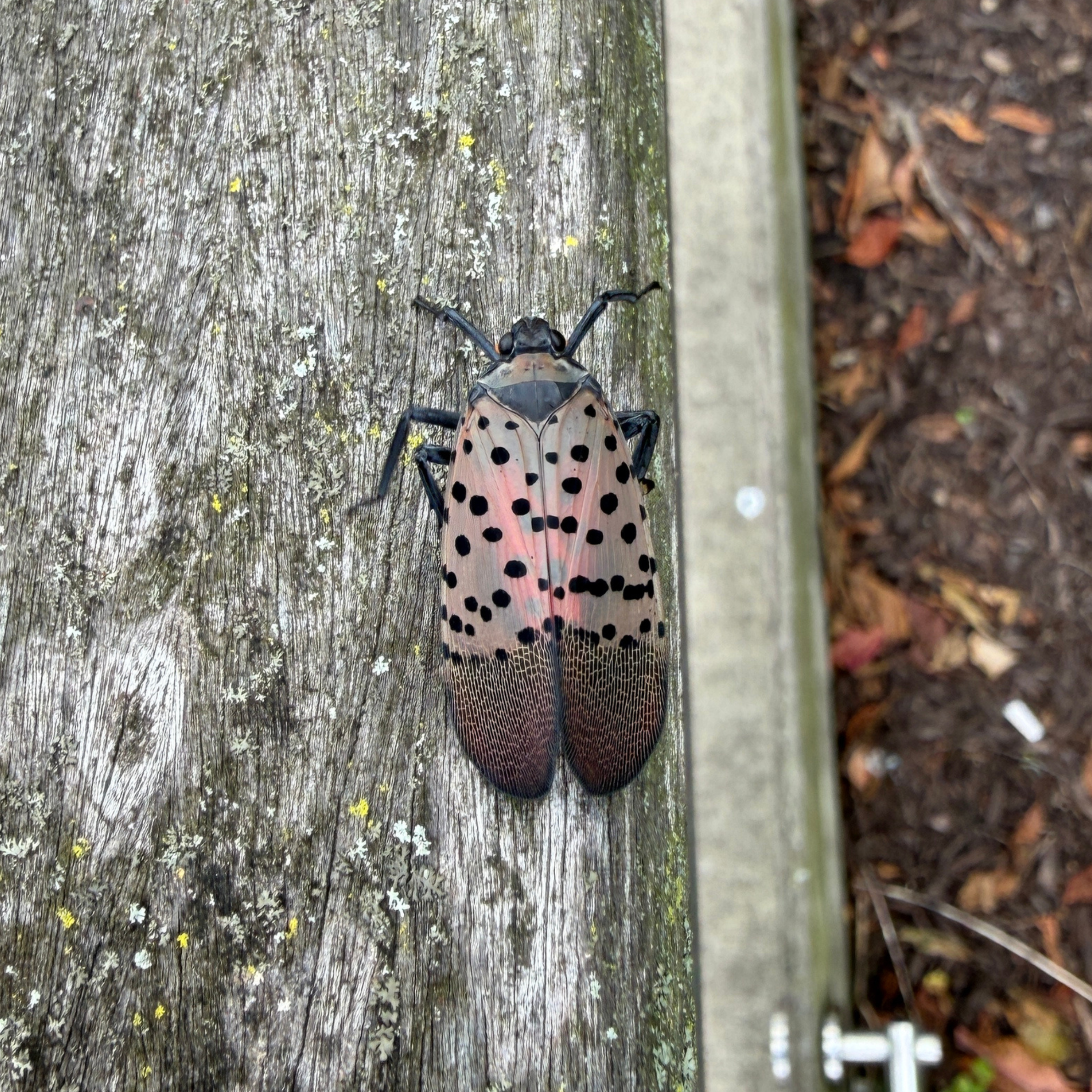
The spotted lanternfly (Lycorma delicatula) is one of Ohio's most concerning invasive pests. Native to southeastern Asia, this species was first detected in Pennsylvania in 2014 and reached Ohio in 2020. Since then, populations have expanded rapidly across the state. As of 2026, all 88 Ohio counties are under quarantine by the Ohio Department of Agriculture (ODA).
Why Are Spotted Lanternflies Considered Local Pests?
While spotted lanternflies may feed on the sap of 100+ plant species they are primarily attracted to grapevines, young maple and walnut trees, and especially their preferred host, the invasive species tree of heaven (Ailanthus altissima).
Although these insects usually do not kill healthy, mature trees, they can cause significant stress to plants when present in large numbers. They’ll gather by the hundreds or thousands on a single tree, where they feed, weakening the plant and in some cases causing dieback. Adding to the challenge, spotted lanternflies’ bright colors and bitter taste prevent them from having any natural predators in North America.
Weird & Interesting Fact: As they consume sap, lanternflies excrete a sugary waste substance known as honeydew, which may accumulate on vehicles, sidewalks, outdoor furniture, and vegetation below infested trees. This sticky residue attracts other insects and promotes the growth of sooty mold, a black fungus that coats leaves and reduces their ability to photosynthesize.
How is Cincinnati Parks Managing Spotted Lantern Flies?
Removing the Tree of Heaven:
-
Environmental professionals continue to evaluate long-term management strategies, but one systematic approach has gained broad support: the removal of tree of heaven. Because this invasive tree serves as a preferred host for spotted lanternflies, reducing its abundance may help limit local populations.
-
The Cincinnati Parks Division of Natural Resources has been actively addressing tree of heaven infestations on park properties. Rather than simply cutting these trees down, which often triggers extensive root sprouting and the growth of hundreds of new shoots, staff have had success using techniques such as "hack-and-squirt" or "drill-and-fill" herbicide treatments. These methods gradually kill the tree while minimizing resprouting, after which trained arborists can safely remove the dead tree.

(Tree of Heaven)
Future Educational Programming:
-
Cincinnati Parks is also working to develop educational programs to encourage residents to do their part to help avoid the spread of the insect and manage the issue on their property and our public forests.
What Can Residents Do To Help?
Community participation remains one of the most effective tools in slowing the spread and reducing local populations of spotted lanternflies.
Check out the Ohio Department of Agriculture’s Management Guide.
-
This easy to read guide has some great information and provides basic management strategies.
Please don’t report infestations to Cincinnati Parks
-
When spotted lanternflies first arrived in Ohio, the Ohio Department of Agriculture encouraged residents to report sightings through programs such as iNaturalist or the ODA reporting system. Today, Cincinnati Parks is well aware of local infestations, and routine reporting of spotted lanternflies to Cincinnati Parks is no longer necessary.
Kill spotted lanternflies.
-
When you see ‘em please squish ‘em or crush ‘em.
-
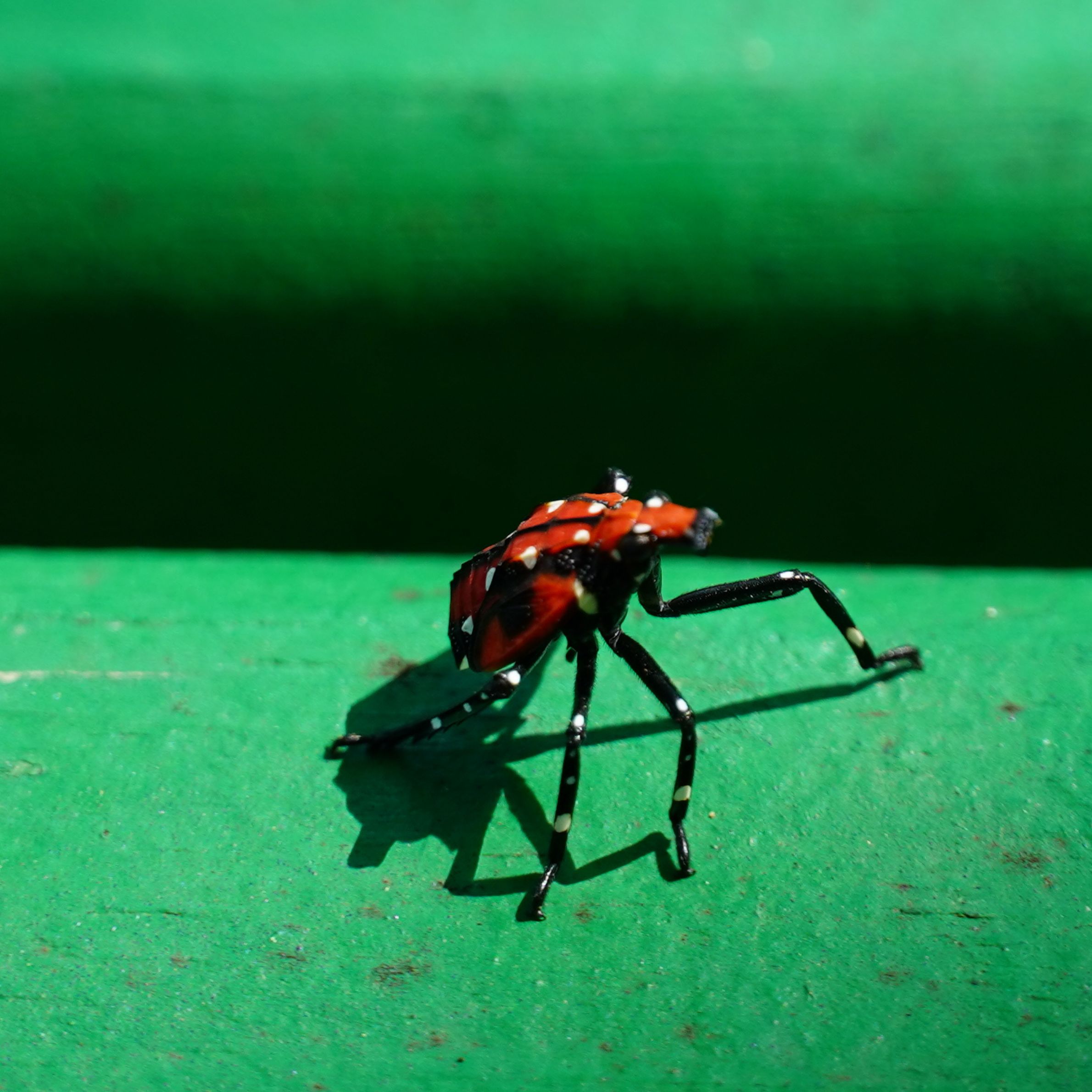
Be warned: adults may fly up to a few feet, and nymphs may jump up to nine feet.
Destroy egg masses when found.
-
From late fall into early spring egg masses may be found on truck trailers, construction equipment, firewood, outdoor furniture, fences, and building surfaces.
-
Scrape the eggs off with a knife or the edge of a hard surface (like a credit card) then gather them into a container of water mixed with dish soap or rubbing alcohol.
-
Inspect vehicles, trailers, outdoor equipment, firewood, and other materials before transporting them.
.png)
(Egg Mass, ODA)
Remove the invasive Tree of Heaven from your property.
-
Never cut down a Tree of Heaven without applying herbicide. You may trigger a single tree to eventually turn into a dozen trees.
-
Remove the tree from mid-summer to early fall. Use a hatchet or knife to make angled downward cuts into the tree truck (space them 2 to 3 inches apart). Do not make a continuous cut around the tree. Spray systemic herbicides into the cuts and then wait a few weeks to cut the tree down.
Looking Ahead
Experience from states such as Pennsylvania indicates spotted lanternflies are likely to remain a management challenge for years to come. While complete eradication is unlikely, coordinated efforts by state agencies, local governments, land managers, businesses, and residents can help limit impacts and reduce the spread of this pest.
The key to success is continued education, early action, and collective responsibility. By managing host plants, destroying egg masses, and remaining vigilant when moving vehicles and equipment, residents can play an important role in reducing the long-term impacts of the spotted lanternfly on our forests, parks, vineyards, and landscapes.
For Additional Information
For additional information, please consult resources listed below: